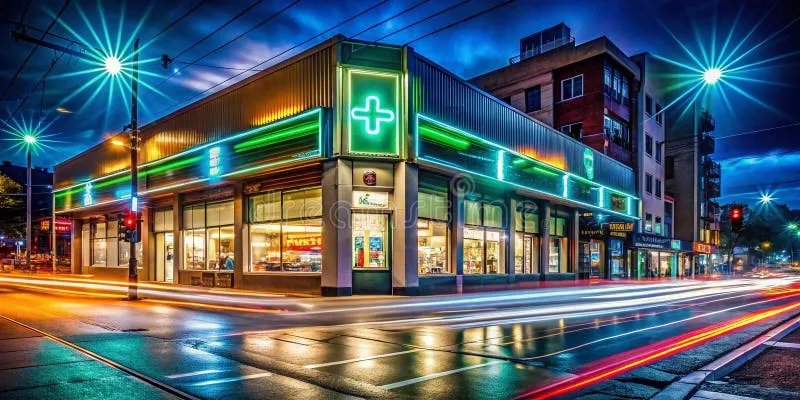
Pharmacy Shelves vs. Social Media Feeds: What the Data Actually Says About Ivermectin Availability in the US
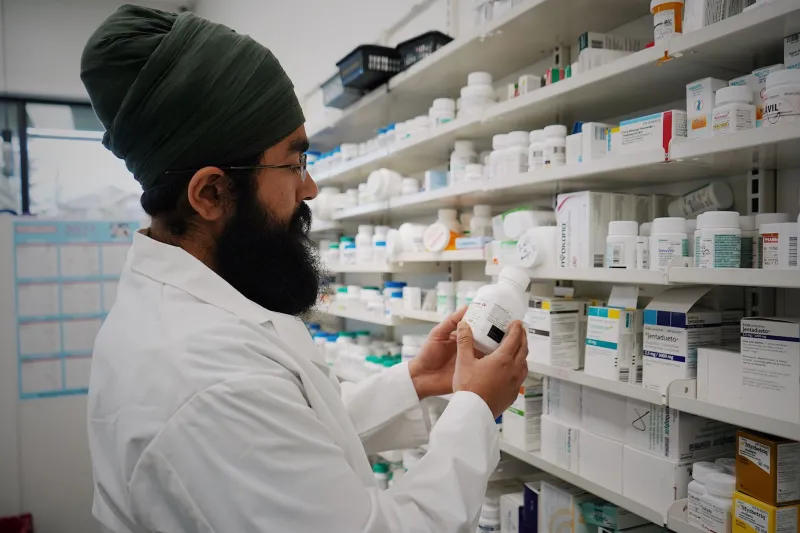
At some point in recent years, a particular narrative took hold online: ivermectin was impossible to find, pharmacies were refusing to stock it, and a coordinated effort was quietly draining supplies from American shelves. The story spread rapidly across health forums, social media platforms, and text chains. For patients holding valid prescriptions, it was understandably alarming.
The problem is that the data tells a considerably different story.
This article examines what is actually known about ivermectin's distribution and availability within the US pharmaceutical supply chain — including where real vulnerabilities exist — so that patients can make informed decisions rather than reactive ones.
What the Shortage Narrative Got Wrong
The most viral shortage claims emerged during periods of unusually high demand, particularly between 2020 and 2022, when prescriptions for ivermectin surged dramatically beyond baseline levels. According to dispensing data from the Centers for Disease Control and Prevention, weekly ivermectin prescriptions reached more than 88,000 in late August 2021 — a figure roughly 24 times higher than pre-pandemic averages.
In that context, localized stockouts were real and documented. A pharmacy that typically filled a handful of ivermectin prescriptions per month was suddenly fielding dozens per week. That is not a supply chain collapse. That is demand outpacing a distribution system calibrated for a much smaller volume.
The distinction matters enormously. A temporary regional stockout caused by a demand spike is categorically different from a deliberate or structural shortage. Conflating the two — as much of the social media commentary did — left patients with a distorted picture of what they could actually expect when approaching a pharmacist with a legitimate prescription.
How Ivermectin Actually Moves Through the US Supply Chain
Understanding availability requires a brief look at how pharmaceutical distribution works in practice. Manufacturers supply ivermectin to wholesale distributors, who then fulfill orders from retail pharmacies, hospital systems, and compounding facilities. The major generic manufacturers producing FDA-approved human ivermectin tablets include several well-established pharmaceutical companies operating under standard regulatory oversight.
For a medication with relatively modest baseline demand — ivermectin's approved indications include conditions such as strongyloidiasis, onchocerciasis, and scabies — the supply chain is designed for stability rather than surge capacity. This means that sudden, large-scale increases in prescription volume can create temporary fulfillment gaps at the retail level, even when warehouse inventory remains adequate at the distributor level.
Pharmacists at independent and chain pharmacies have noted that during peak demand periods, the issue was less about unavailability and more about reorder lag. Distributors were fulfilling orders; the timing simply did not always align with patient demand at the counter. In most cases, patients who called ahead or allowed for a day or two of lead time were able to fill their prescriptions without significant difficulty.
Where Legitimate Supply Concerns Do Exist
While the catastrophic shortage narrative was largely unfounded, it would be inaccurate to suggest the supply chain is without genuine pressure points. Several factors merit honest acknowledgment.
Rural pharmacy access remains a structural challenge. In counties with limited pharmacy infrastructure, even minor distribution delays can translate into meaningful access problems for patients who cannot easily travel to an alternative location. This is not unique to ivermectin — it reflects broader vulnerabilities in rural healthcare access — but it is a real consideration for patients in underserved areas.
Generic market concentration is another factor worth monitoring. The human ivermectin tablet market is dominated by a relatively small number of generic manufacturers. If one or more of those manufacturers were to face a production disruption, regulatory action, or raw material shortage, the ripple effects could be felt across the national supply more quickly than would occur with a more diversified generic market.
Insurance and formulary dynamics can create perceived availability issues that are actually coverage issues. A patient who is told a pharmacy cannot fill their prescription may, in some cases, be encountering a prior authorization requirement or formulary exclusion rather than a physical stockout. These are solvable problems — but they require different solutions than a supply chain intervention.
The Role of Pharmacist Discretion in Filling Decisions
A separate thread within the shortage narrative involved claims that pharmacists were actively refusing to dispense ivermectin even when it was in stock. This phenomenon was documented in some cases, and it reflected genuine professional disagreement about prescribing patterns during a period of intense public debate.
Pharmacists in the US have the professional and legal authority to decline to fill prescriptions they have clinical concerns about, within certain parameters. This is true for any medication, not only ivermectin. During periods of heightened demand driven by off-label use, some pharmacists exercised that discretion more frequently.
For patients with prescriptions for FDA-approved indications — scabies, strongyloidiasis, or other parasitic conditions — this discretion was rarely an obstacle. The friction was most commonly reported by patients seeking ivermectin for uses outside its approved labeling. Understanding this distinction helps separate a professional judgment call from a supply chain failure.
What Patients Can Realistically Expect Today
As of the current period, ivermectin availability at US pharmacies has largely normalized. Demand has returned closer to historical baselines, and the distribution system has had time to recalibrate. Patients presenting with valid prescriptions for approved indications should generally be able to fill them without significant difficulty at most retail pharmacies.
That said, a few practical steps remain advisable:
- Call ahead. For any less commonly dispensed medication, confirming stock before making a trip saves time and frustration.
- Consider independent pharmacies. In some markets, independent pharmacies maintain more flexible ordering practices and may have better availability for less common generics.
- Ask about ordering timelines. If a pharmacy does not have the medication on hand, ask how quickly they can obtain it. In most cases, standard distribution channels can fulfill an order within one to two business days.
- Use your prescriber as a resource. If you encounter consistent difficulty at one pharmacy, your prescribing physician or telehealth provider may be able to direct you toward pharmacies with confirmed stock or alternative dispensing options.
The Broader Lesson About Medical Misinformation
The ivermectin shortage narrative is a useful case study in how genuine, limited disruptions can be amplified into sweeping claims that do not reflect systemic reality. For health-conscious consumers, the lesson is not to dismiss all supply chain concerns — some are legitimate — but to seek data-driven clarity before drawing conclusions.
At Ivermectin24H, our commitment is to provide patients with accurate, actionable information about accessing this medication through appropriate channels. Viral narratives, however well-intentioned, rarely serve that goal as effectively as a direct conversation with a pharmacist or a call to your local pharmacy's prescription line.
The shelves are stocked. The system, while imperfect, is functioning. And for patients with legitimate medical needs, that is the most important thing to know.