The $4 Question: How Much Ivermectin Really Costs in America — and Where the Money Goes
Few medications confound American consumers quite like ivermectin. Depending on where a prescription is filled, the same quantity of generic tablets might cost less than a fast-food meal or more than a monthly utility bill. Understanding why requires looking past the sticker price and into the structure of the US pharmaceutical supply chain.
The Baseline: What Generic Ivermectin Typically Costs
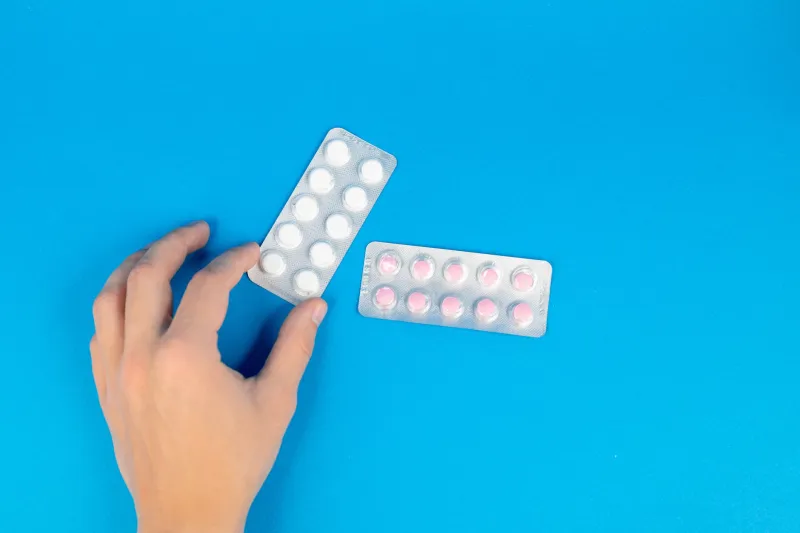
Ivermectin tablets (3 mg) appear on most major pharmacy chains' generic discount lists, frequently priced between $4 and $20 for a standard course. Walmart, Kroger, and several regional grocers include it in programs that cap common generics at nominal fees, while standalone chains like CVS and Walgreens may charge noticeably more without a discount card — sometimes $30 to $60 for an identical supply.
Topical formulations complicate the picture considerably. Brand-name ivermectin cream for rosacea and the lotion for head lice are not interchangeable with the generic tablets and typically retail between $200 and $500 per unit, since no widely available generic equivalents exist for several of these products. Patients should never assume the tablet price applies to dermatologic formulations, or vice versa.
Following the Money: Manufacturer to Counter
Every prescription dollar is divided among several parties:
- Manufacturer: Generic ivermectin is produced by multiple FDA-approved manufacturers, which keeps competition — and baseline pricing — relatively low. The active ingredient itself is inexpensive to synthesize.
- Wholesaler: Distributors add a modest percentage, typically single digits, before product reaches the pharmacy.
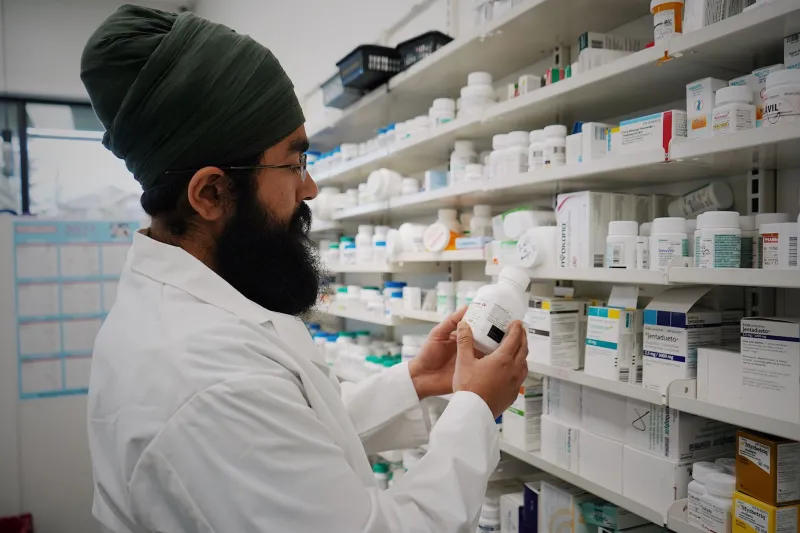
- Pharmacy: Retail markup covers dispensing labor, storage, and overhead. This is where the widest variation occurs; two pharmacies across the street from one another may charge entirely different amounts for the same bottle.
- Pharmacy benefit manager (PBM): When insurance is involved, PBMs negotiate reimbursement rates that determine both the copay and the pharmacy's profit. These negotiated rates are opaque to consumers and can make an insured copay higher than a cash price.
That last point deserves emphasis. A copay is not a price floor. Pharmacists routinely report that paying cash with a discount card is cheaper than running insurance for low-cost generics.
Discount Cards and Cash Pricing
Free prescription discount programs — GoodRx, SingleCare, and pharmacy-specific cards among them — negotiate their own rates and can reduce generic ivermectin to the lower end of the price range. Key considerations for patients:
- Compare before you fill. Prices for the identical drug and quantity can differ by location within the same chain. Discount platforms display store-level pricing.
- Ask for the cash price. Federal law permits pharmacists to disclose whether a discount card or insurance is cheaper upon request.
- Check quantity limits. Discount programs often cap the discounted quantity; larger fills may revert to standard pricing.
Insurance, Telehealth, and Assistance Options
Most commercial formularies classify ivermectin tablets as a low-tier generic, meaning modest copays when covered. Medicare Part D plans generally include it as well. Patients without coverage have additional routes:
- Telehealth bundled pricing: Many telemedicine platforms that evaluate and prescribe ivermectin for approved parasitic indications bundle the consultation with a discounted prescription fulfillment, often resulting in a lower total cost than a separate urgent care visit plus retail fill.
- Patient assistance programs: Manufacturers of brand-name dermatologic formulations offer assistance for qualifying uninsured patients, though eligibility requirements apply.
- Community health centers: Federally qualified health centers dispense generics at sliding-scale prices for low-income patients.
A Note on the True Cost of Convenience
The cheapest pharmacy is not always the most economical option once travel, wait times, and after-hours needs are factored in. A $6 prescription that requires a day off work may cost more in practice than a $15 fill obtained through a 24-hour pharmacy or telehealth-linked dispensing service. Patients balancing treatment urgency with budget constraints should weigh total cost, not just the receipt.
The Bottom Line
Ivermectin is, for most patients, one of the least expensive legitimate prescriptions in the American market — but only for those who know to ask. Comparing discount card rates, requesting cash pricing, and exploring telehealth bundles routinely saves patients 50 percent or more. As with any medication, cost-saving strategies should never override medical guidance: ivermectin should be obtained through a valid prescription and used only for conditions a licensed provider has diagnosed. A conversation with a pharmacist — who sees this pricing landscape daily — remains one of the most underused money-saving resources in American healthcare.